Nov 5, 2023
4 min read
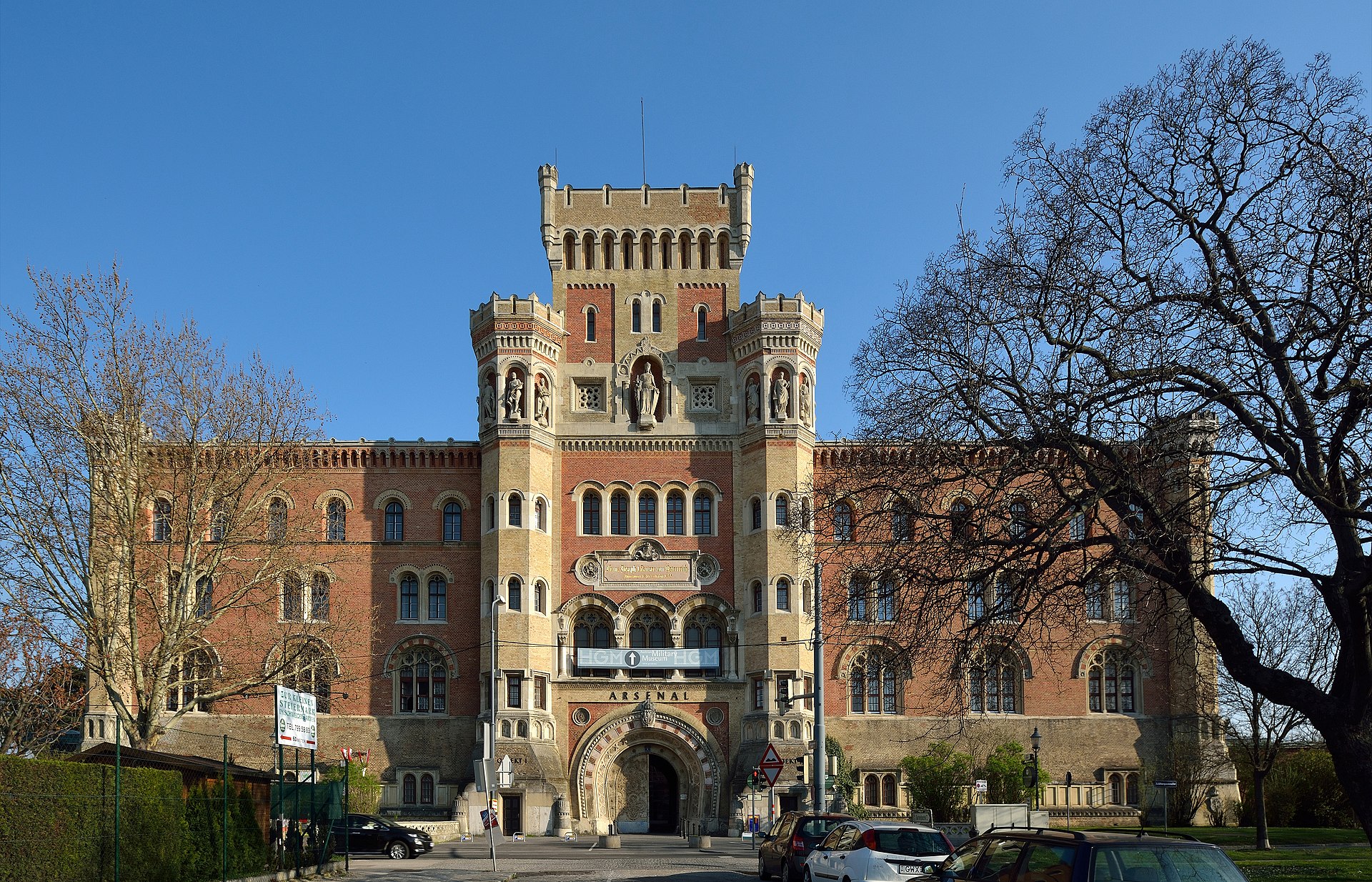
During Rachel’s fall break, we did a tour of Vienna, Bratislava and Prague. The tour was meant to be a break from war stories, but we did manage to sneak in a visit to the Military museum in Vienna. The Museum is in Vienna Arsenal, a massive complex of 72 buildings, erected after the 1848 revolution by Franz Joseph. The buildings were modeled after the Venetian Arsenal built in 1104.
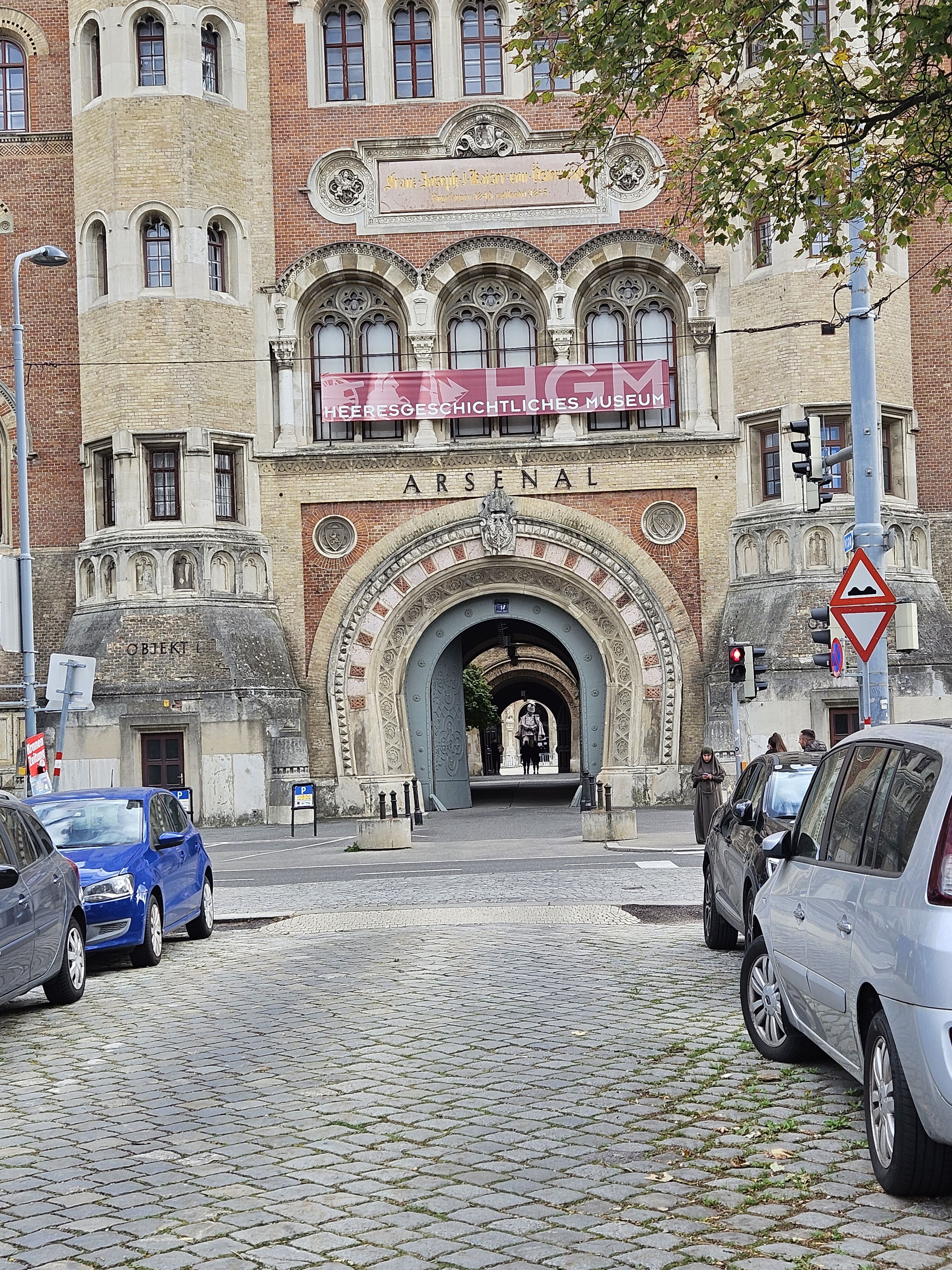
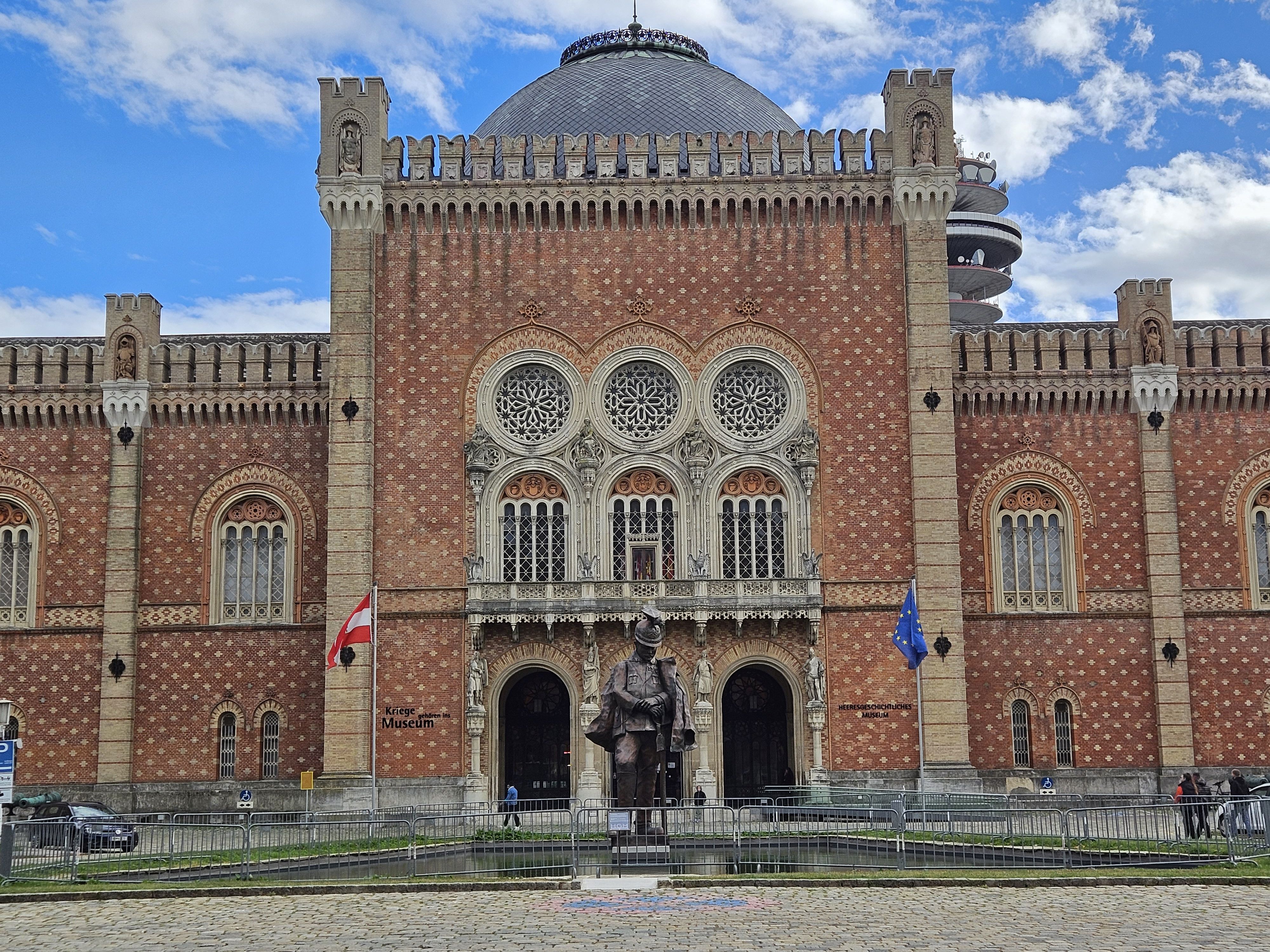
Like many of the buildings in Vienna, the building is a most impressive structure.
The hall of Generals is a magnificent structure with arches with 56 statues, each exactly 186 cm in height.
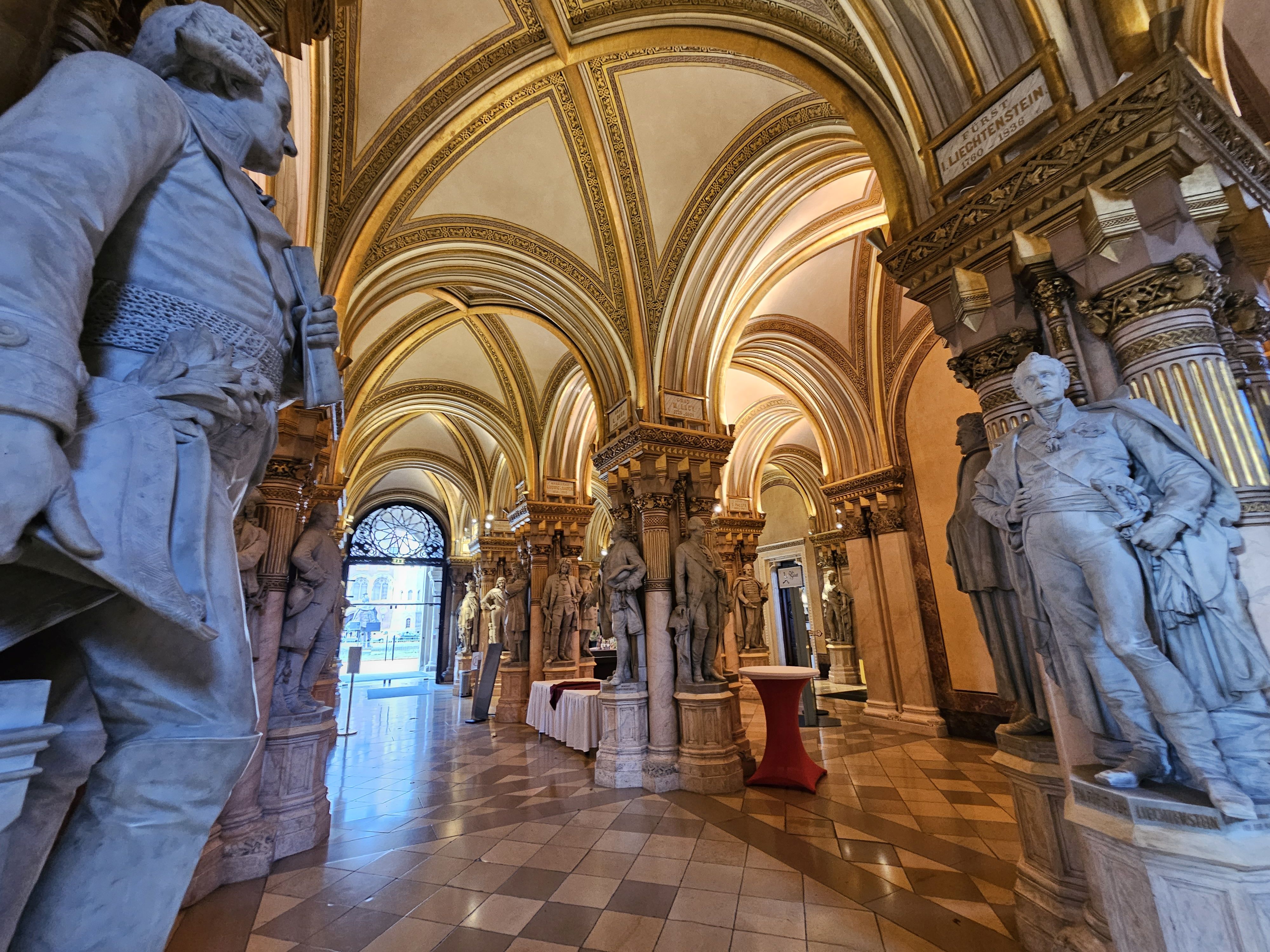
The buildings were built as a hall of fame and a memorial for the Austrian Army.
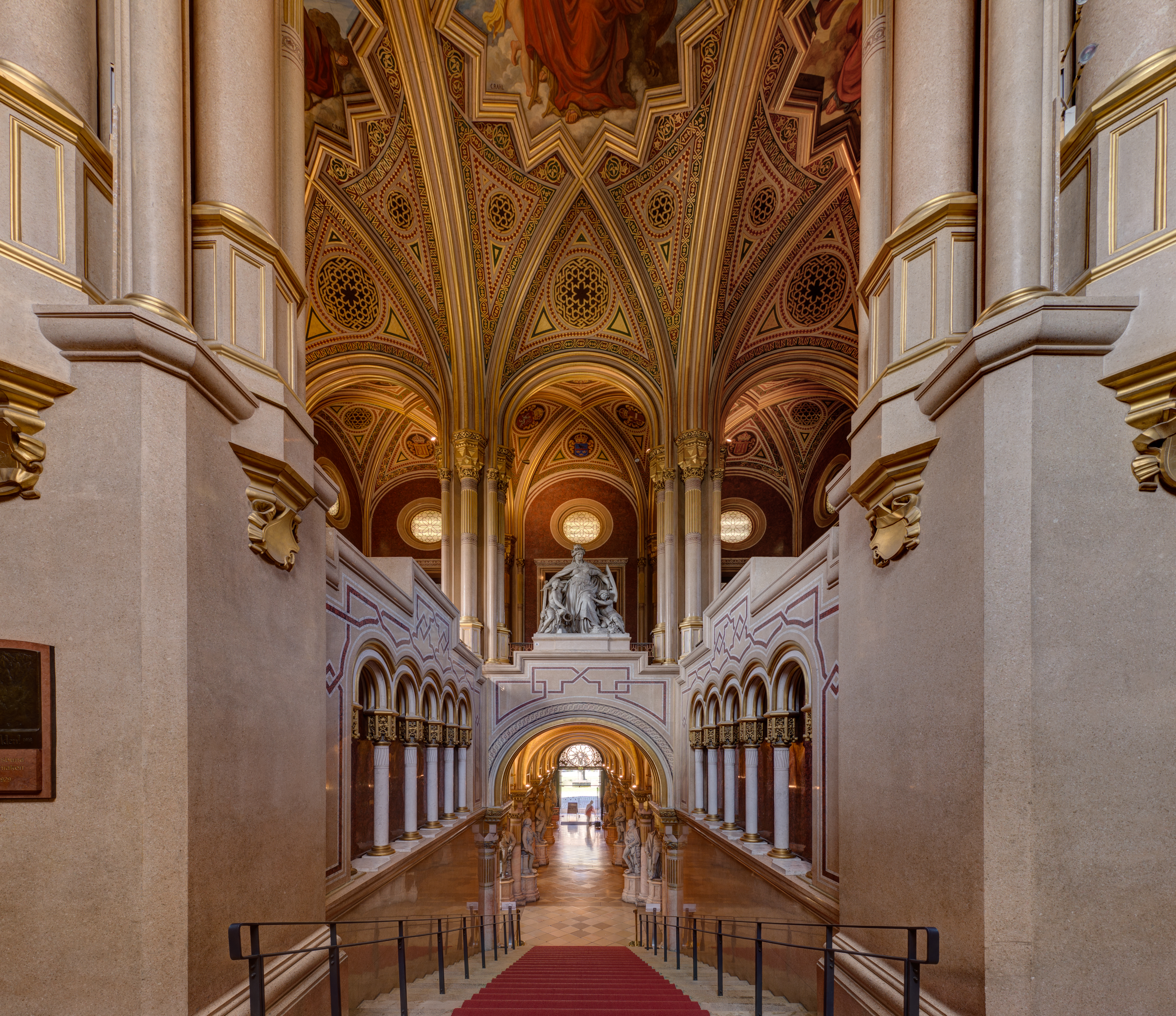
The interior resembled some of the more elaborate churches of the era.
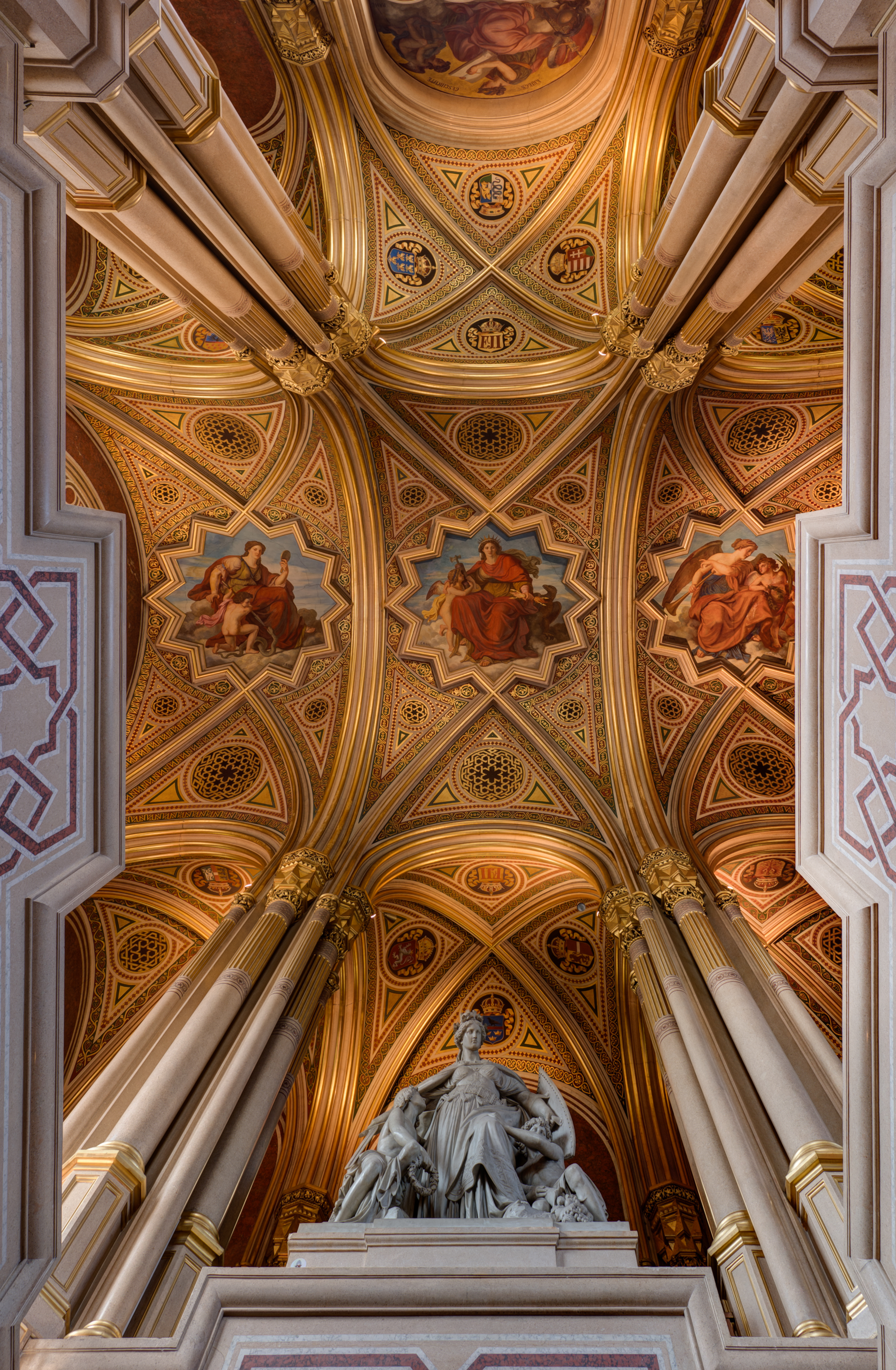
The Habsburg Empire ruled Austria continuously for almost 650 years, from Rudolf I in 1282 through Franz Joseph who ruled from 1848 to 1916, and Charles I who was emperor until the dissolution of Austria-Hungary in 1918.
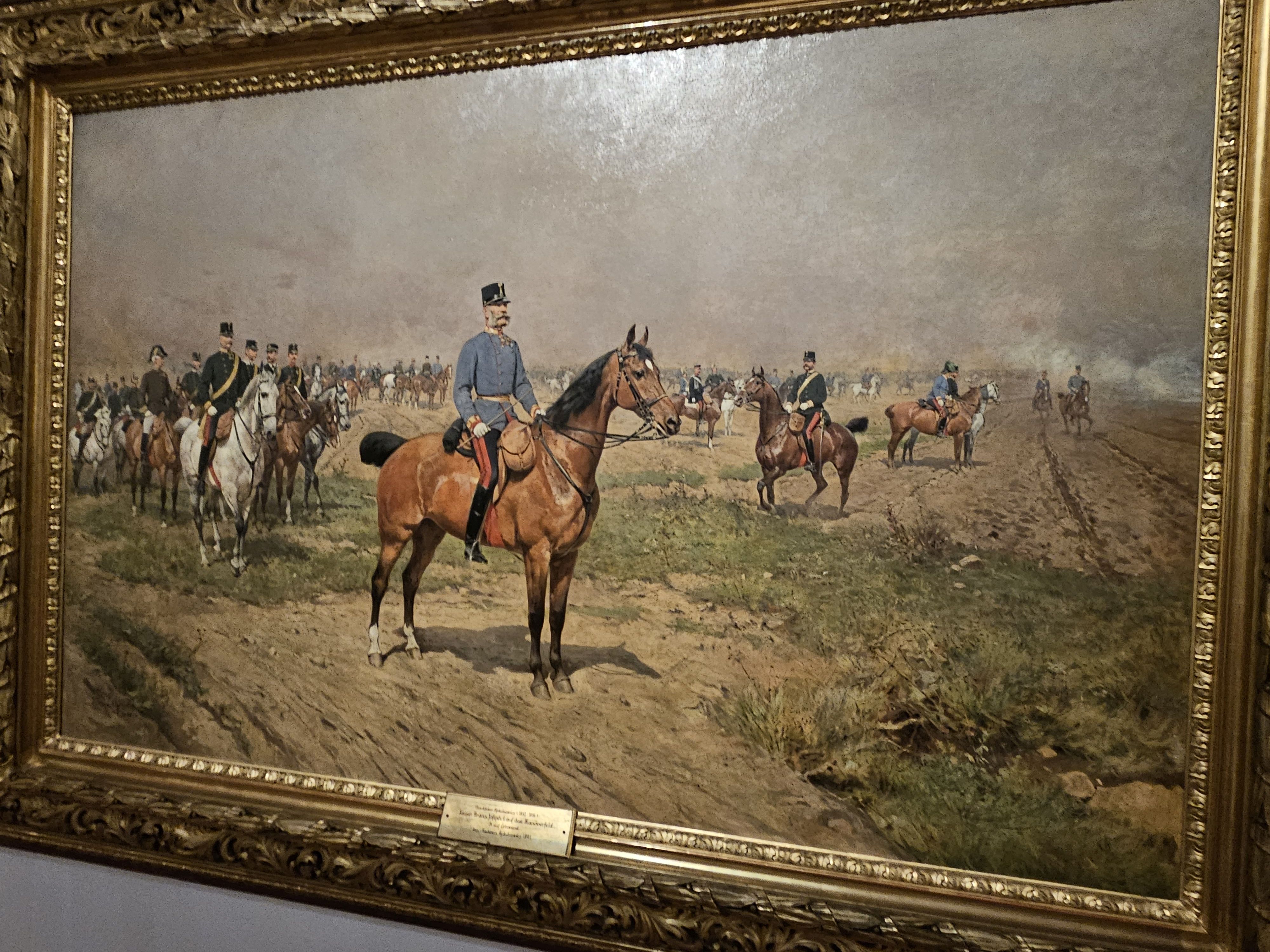
Franz Joseph in the field of battle.
In 1914 Austria-Hungary was Europe’s second largest state (after Russia) with its third largest population of 52 Million(after Russia and Germany).It covered an area that today lies within the borders of Austria, Bosnia-Herzegovina, Croatia, Slovenia, the Czech Republic, Slovakia, Hungary, and parts of Italy, Poland, Romania, and Ukraine.
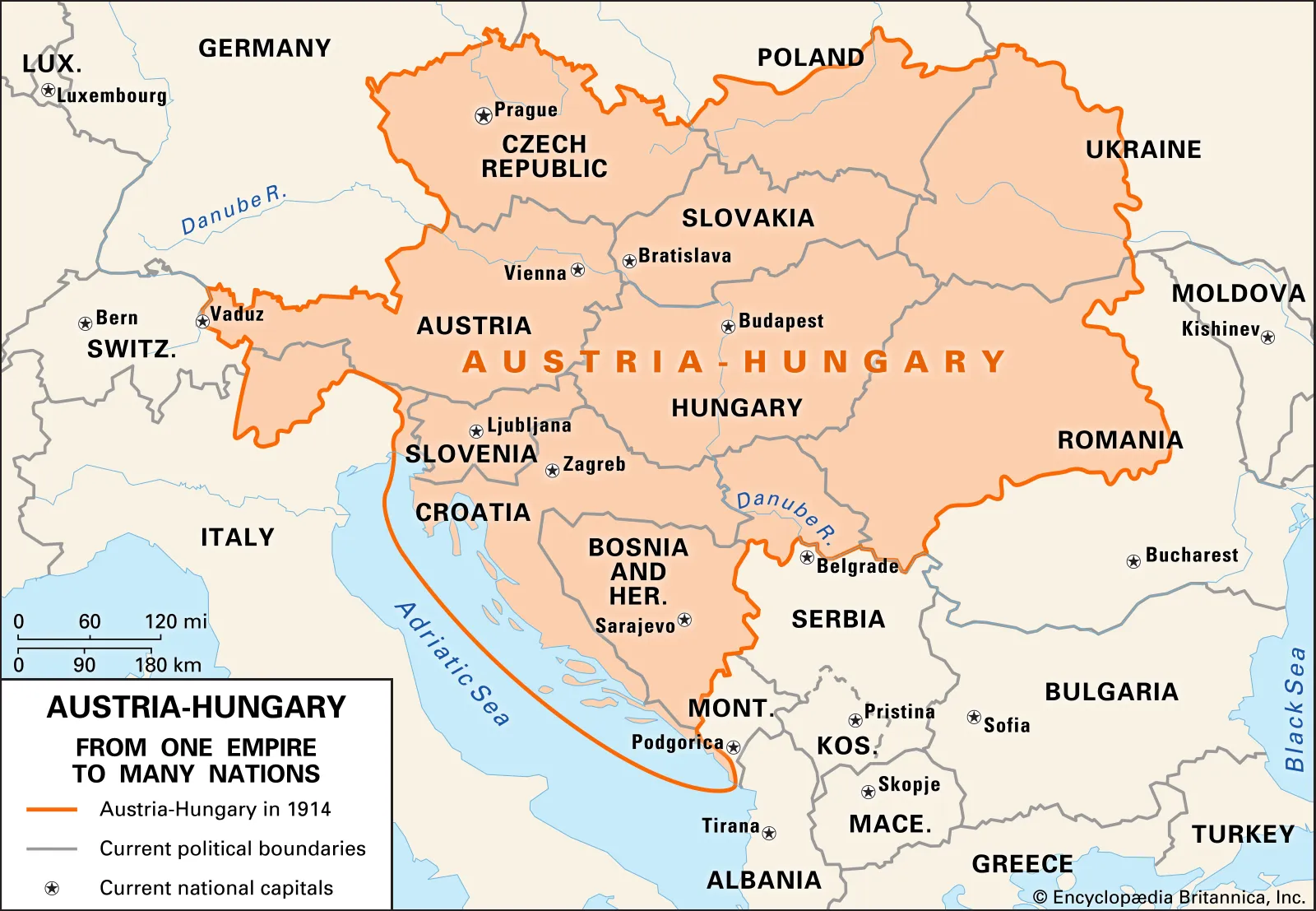
The Austria-Hungary army had about 500,00 men in 1914. The country had been relatively peaceful since 1867, but wars in the Baltic in 1910 and 1912 had seen Serbia grow in size and power and represent a threat to the Austria-Hungary Empire.
On 28 Jun 1914 Archduke Franz Ferdinand and his wife Duchess Sophie von Hohenberg were assassinated in Sarajevo, Bosnia. They were shot after a hand grenade thrown at the car bounced off and exploded under the following vehicle.
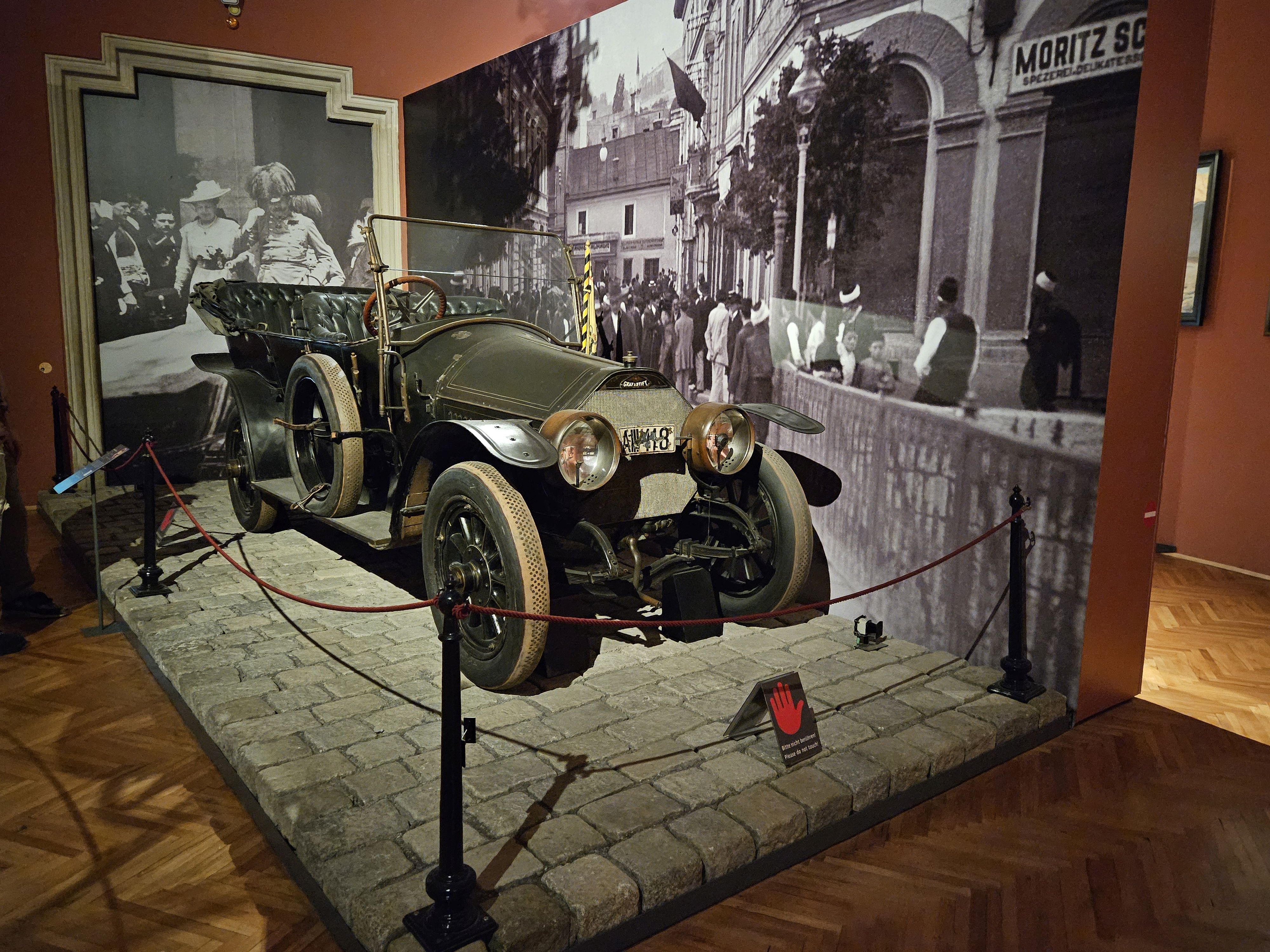
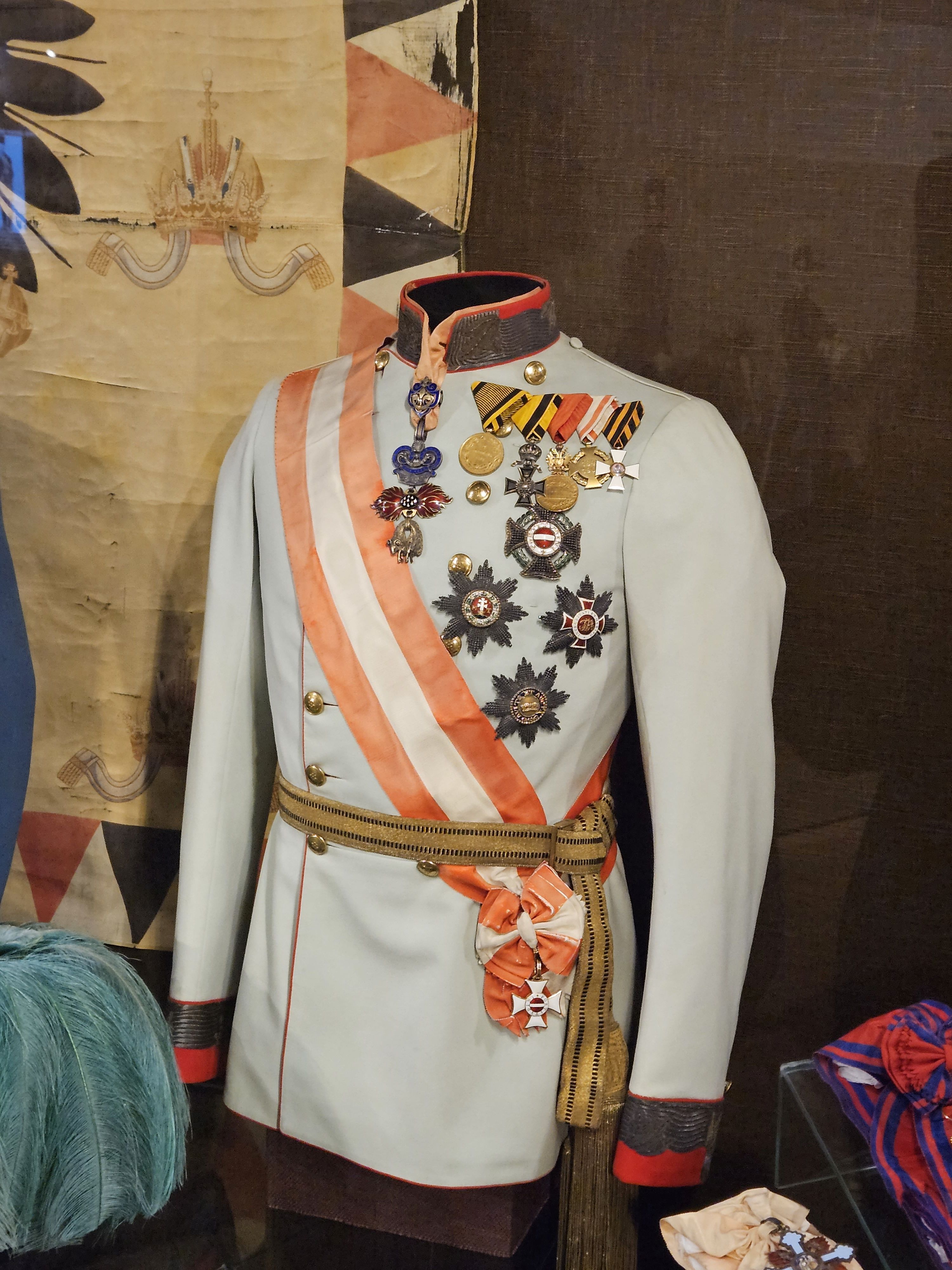
The museum has the car that the archduke was riding in, as well as the uniform he was wearing when he was shot.
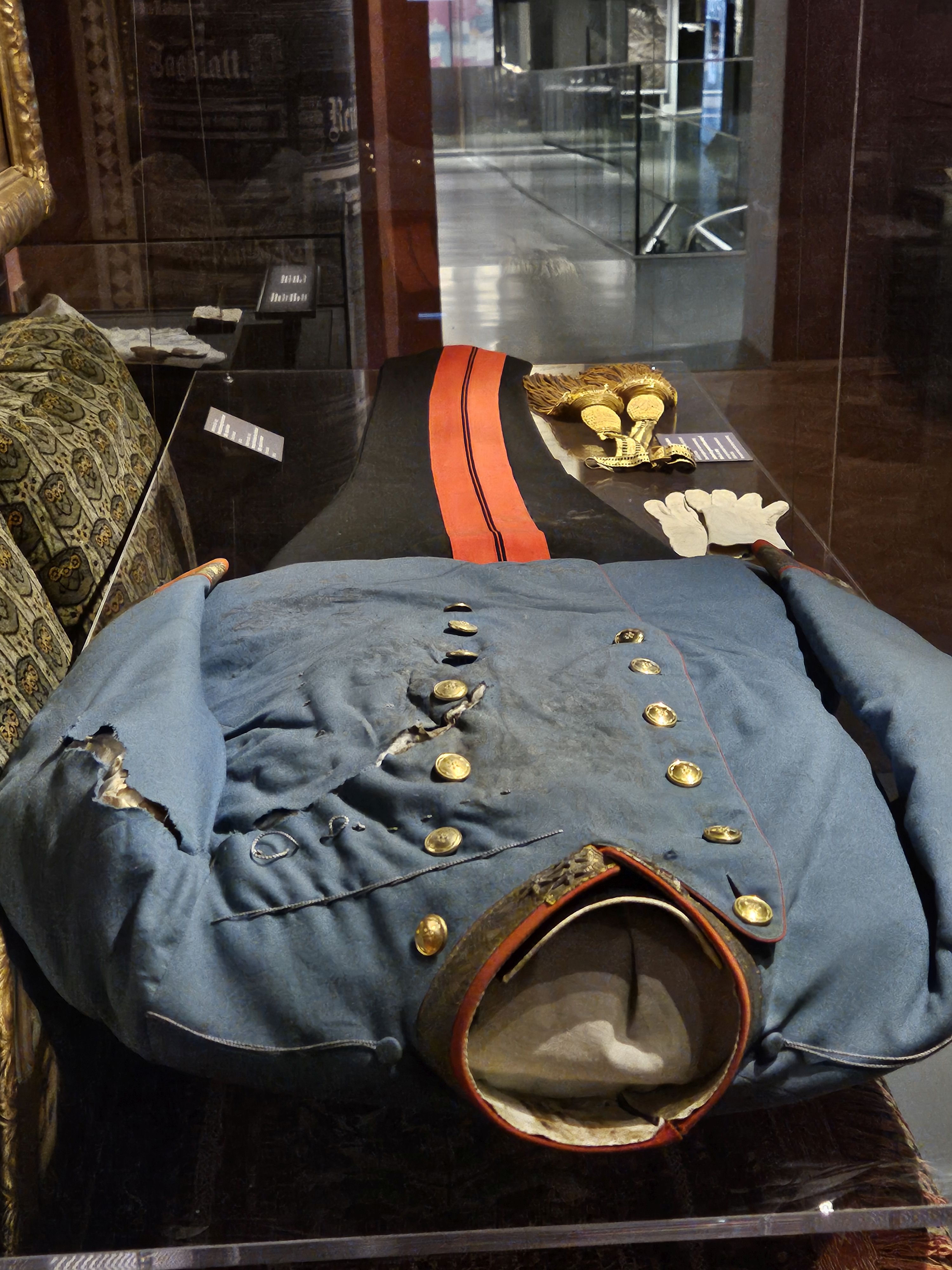
Franz Ferdinand’s uniform and the sofa he was laid out on as attempts were made to save him. The uniform was cut open as the medical staff worked on him.
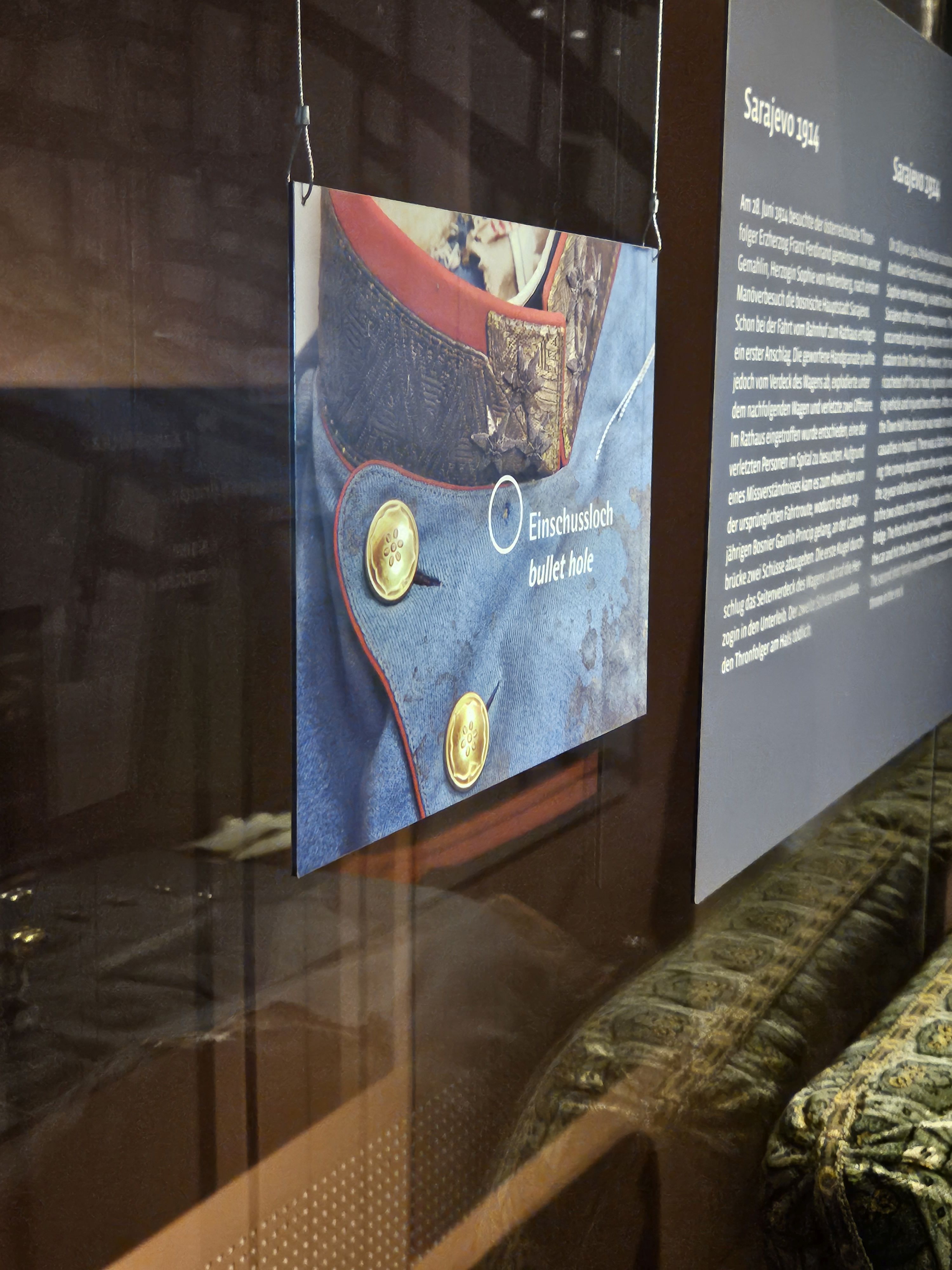
He was wounded in the neck.
The attack was linked to the Serbian military, and Austria-Hungary issued an Ultimatum to bring the backers to justice. Serbia agreed to 8 of the 10 demands, but the empire was not satisfied, and declared war against Serbia o 28 Jul 1914. Russia was aligned with Serbia, and mobilized n support. Germany declared war on Russia on 02 Aug, on 03 Aug Germany declares war on France, 04 Aug Germany invades Belgium and Great Britian declares war on Germany, and on 06 Aug Austria-Hungary declares war on Russia, and the Greal War began.
Although Austria-Hungary had 500,000 men in their army, and quickly mobilized 3.5 million soldiers, they were not well prepared as they had cut back on their spending. Their initial attacks on Serbia and Russia were very costly, but combined attacks by the Central Powers (Germany, Austria-Hungary, Ottoman Empire and Bulgaria) led to the occupation of Serbia. The Austria-Hungary army also suffered heavy initial losses to the Russians, but the attack of the central powers pushed the Russians back.
The early losses were attributed to incompetent leadership of the Austrian High command. In the last 2 years of the war, Austria-Hungary lost all ability to act independently, and virtually became a satellite if the Germans.
Franz Joseph died in 1916 and Charles I could not stop the disintegration of the Empire along ethnic lines. In October 1918, the US government supported the creation of Czechoslovakia by amalgamating the Czechs and the Slovaks, and the creation of Yugoslavia the southern Slav states of Bosnia, Croatia, Serbia, Slovenia and Montenegro. Hungary also terminated the union with Austria, and Romania, Poland and the Ukraine expanding their borders.
The Austria-Hungary army had over 8 million men serve, with almost 1 Million killed and 3.5 million wounded.
The army was not very effective, but they had some awesome uniforms.
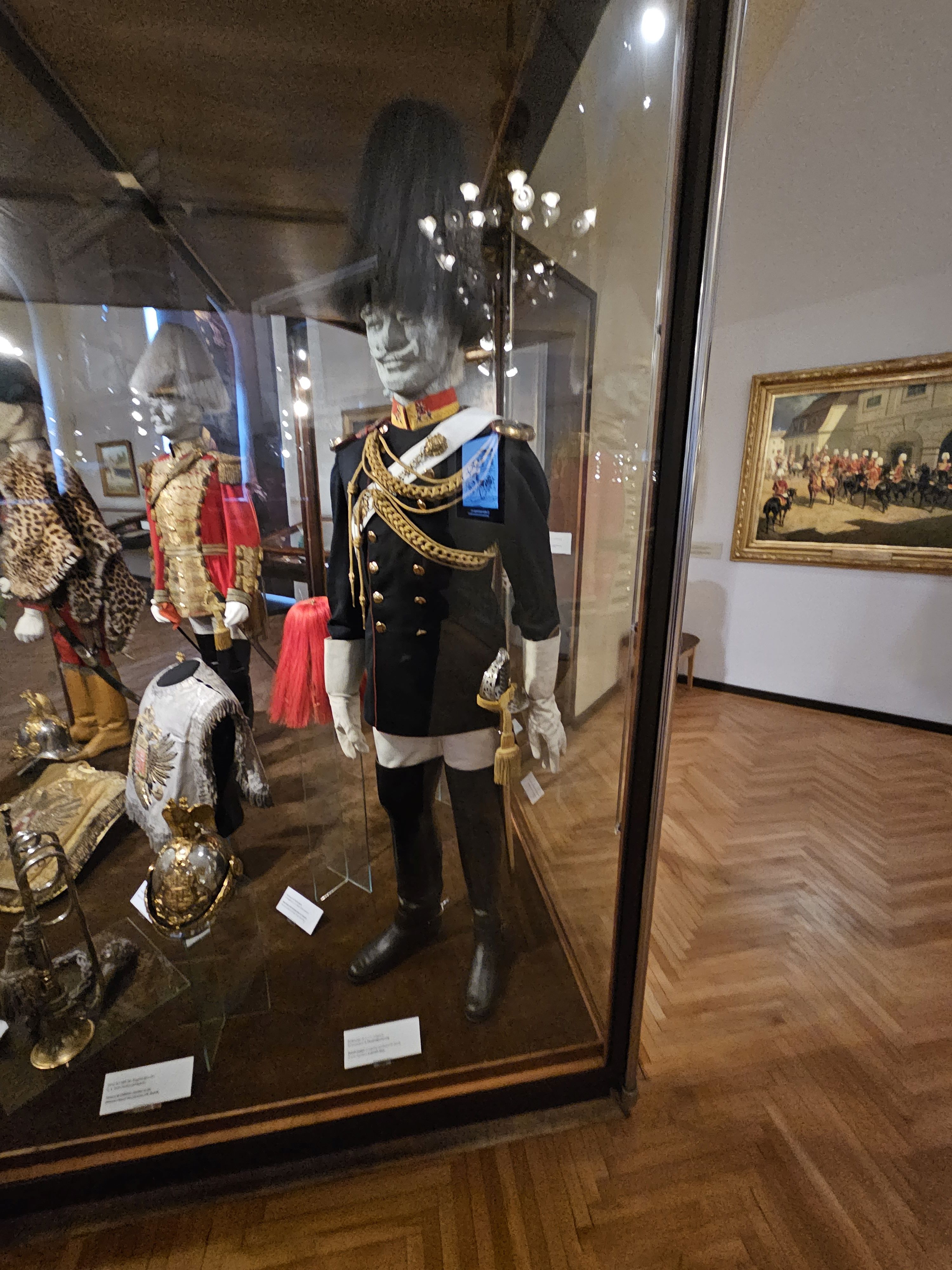
Archduke Ferdinand’s uniform.
The most impressive weapons the Austrians possessed were their Siege Guns. The Austria-Hungarian Artillery supported the Germans in the attack of the Belgian Forts with a 30 cm siege gun that completely destroyed the fortifications. They later came up with a 38 cm weapon that wrecked havoc.
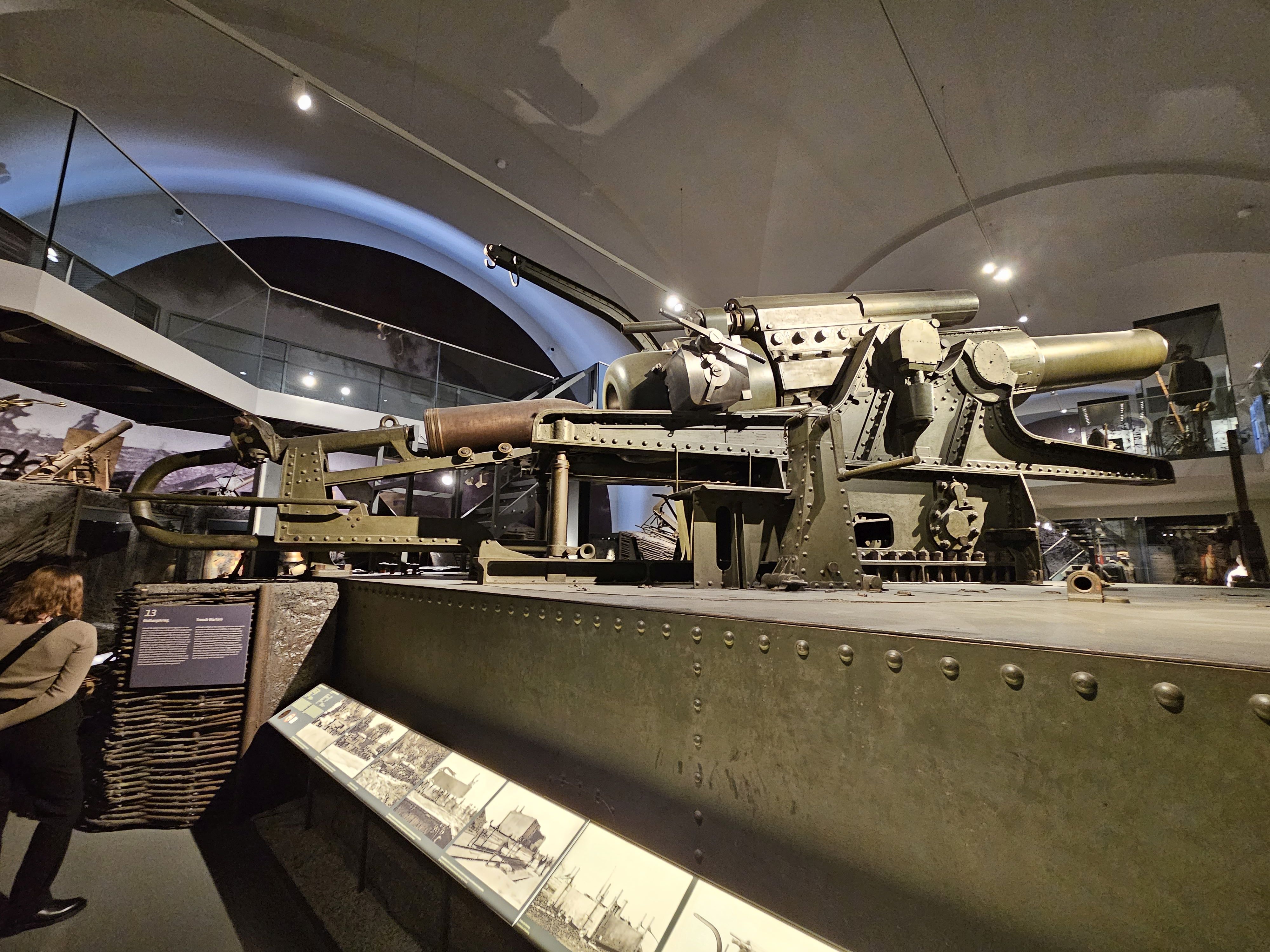
The 38 cm gun fired a 750-pound shell at ranges up to 15 km. The gun was shipped in 4 sections, and had to have a platform prepared so it took up to 10 hours to set up.
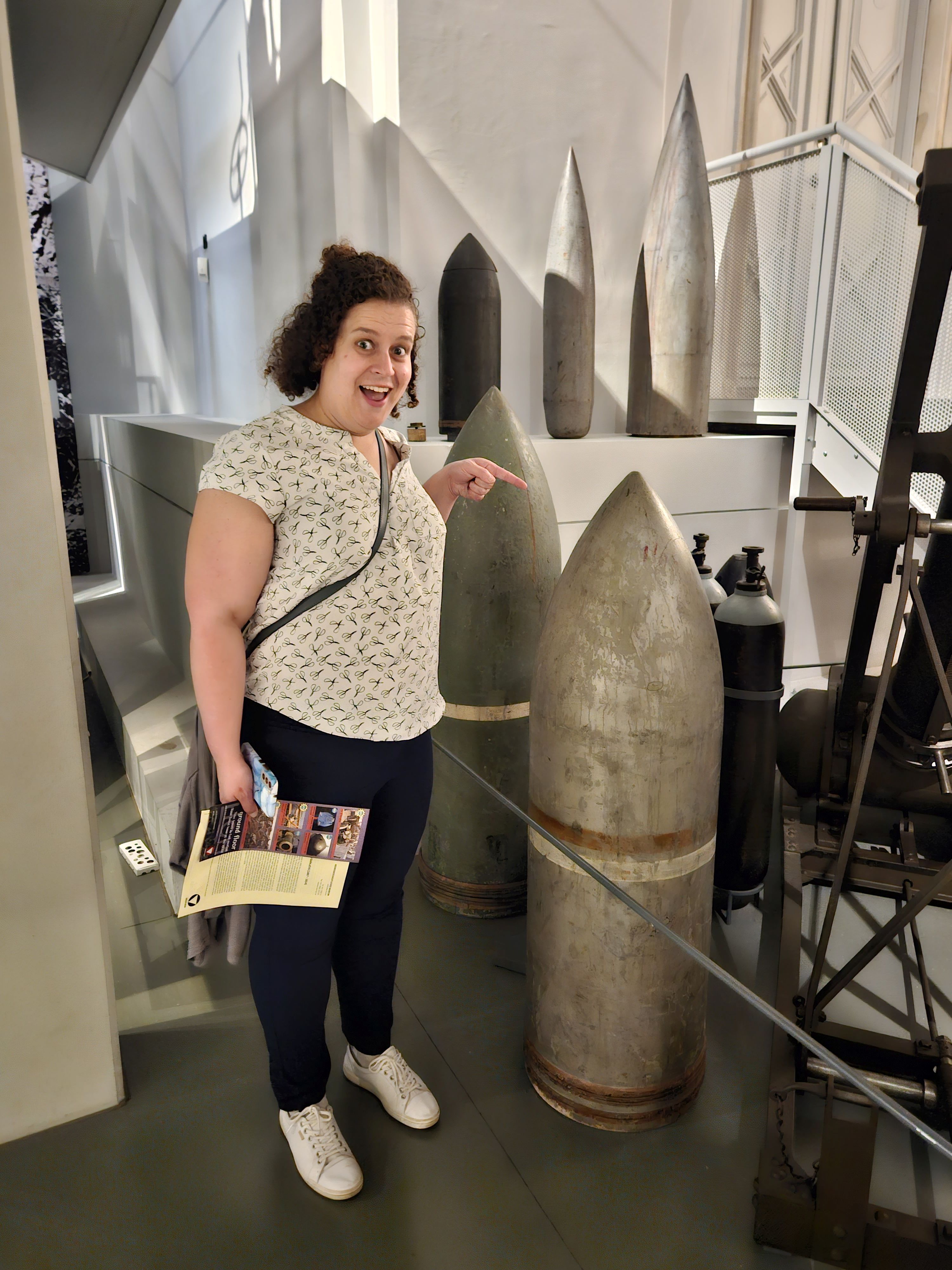
The artillery had a wide range of weapons delivering shells of many sizes.
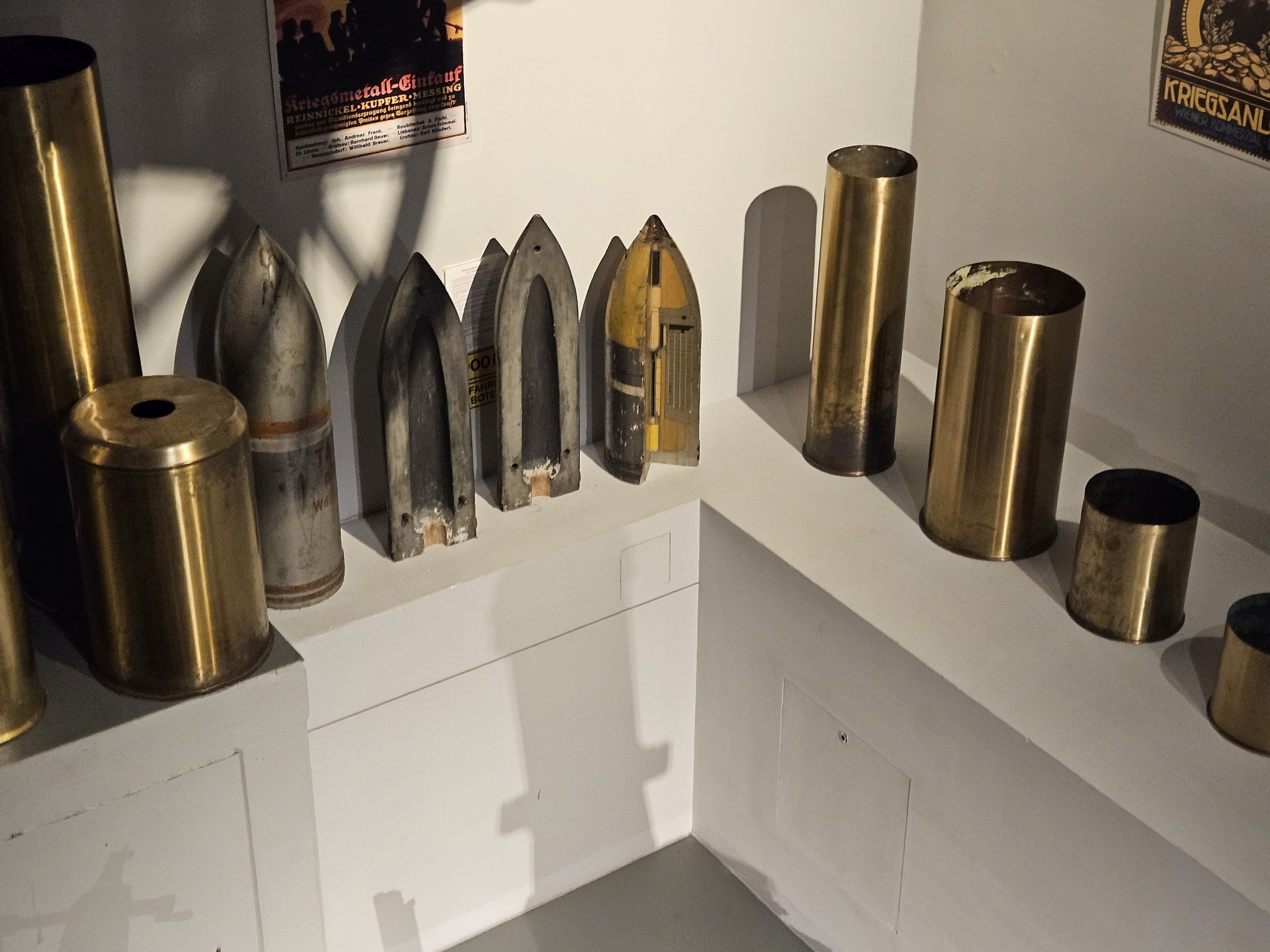
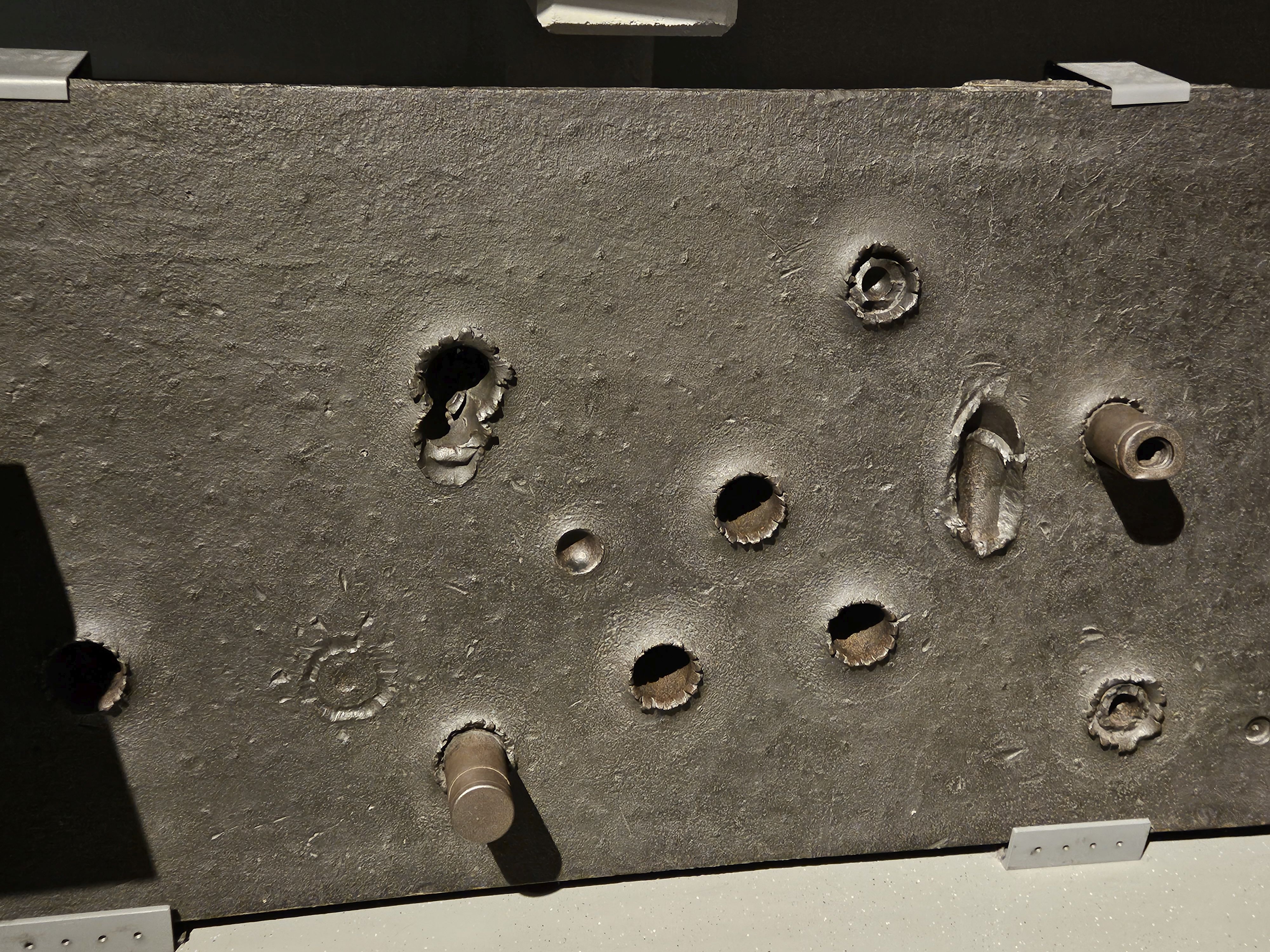
They tested the effectiveness of the shells on a large armour plate.
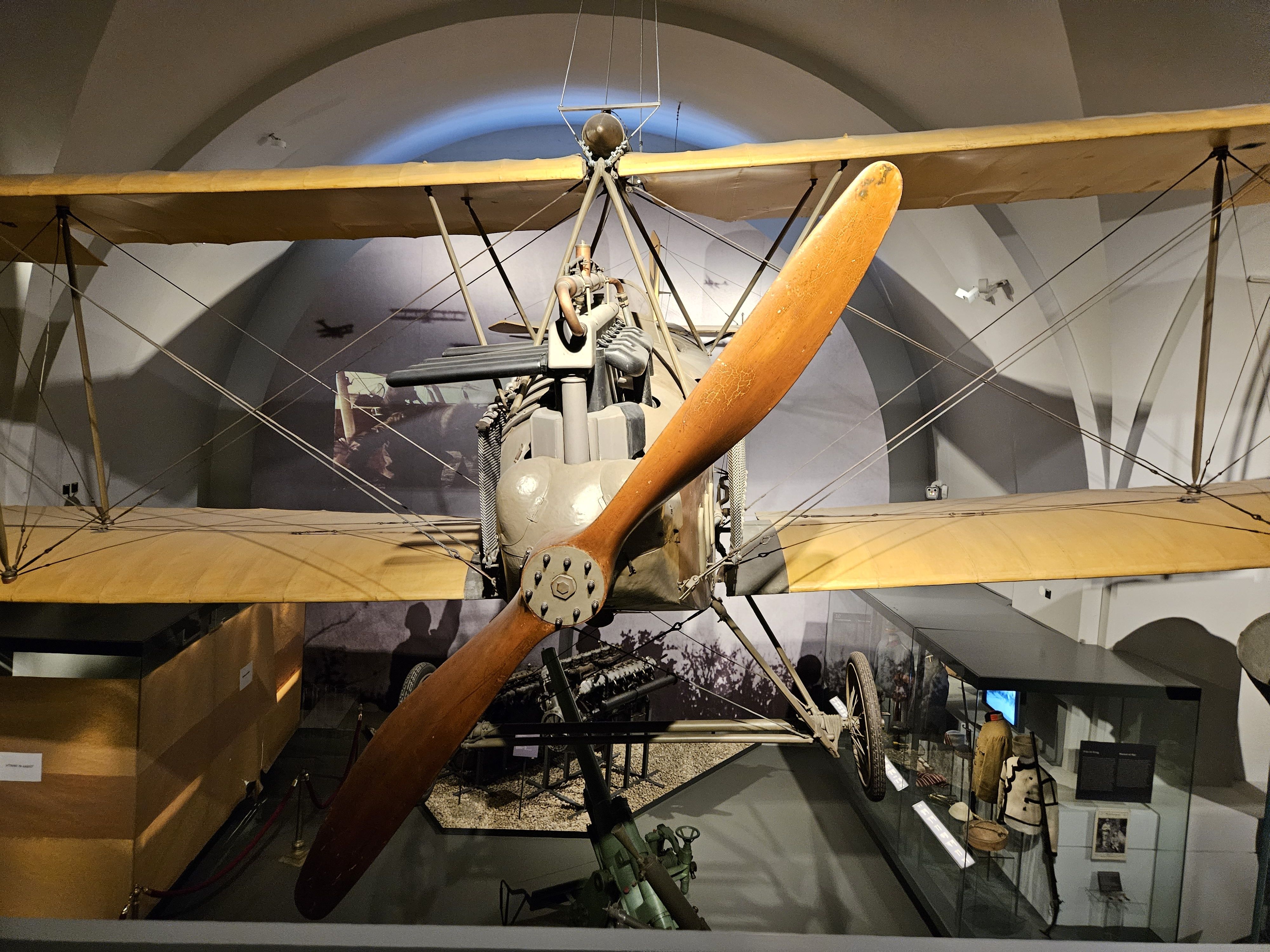
At the start of the war the Austria-Hungary army had almost no aircraft and relied on German technology. The Albatross Observation aircraft was one such example.
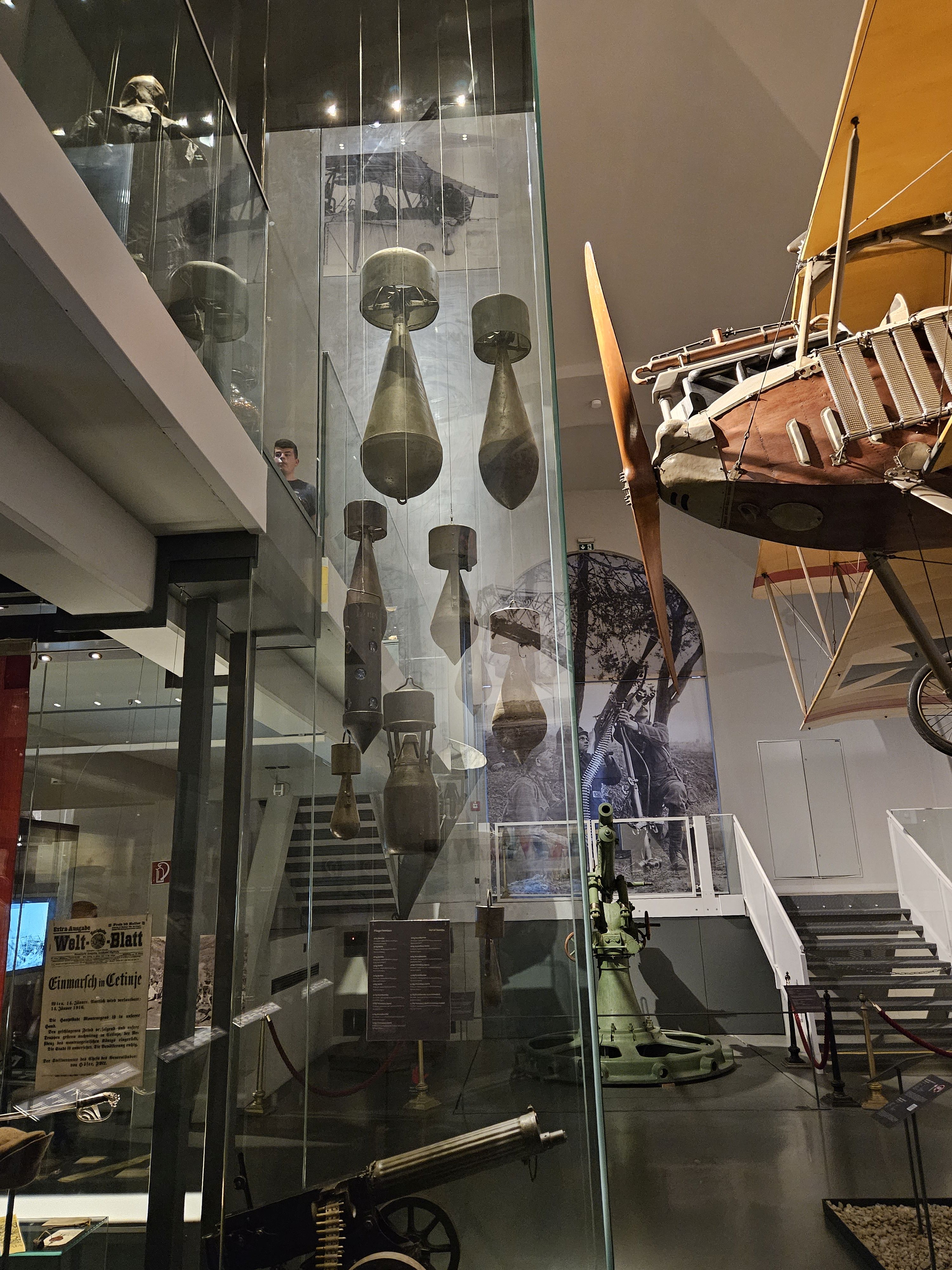
Their aircraft did carry bombs, but all were small and not particularly effective.
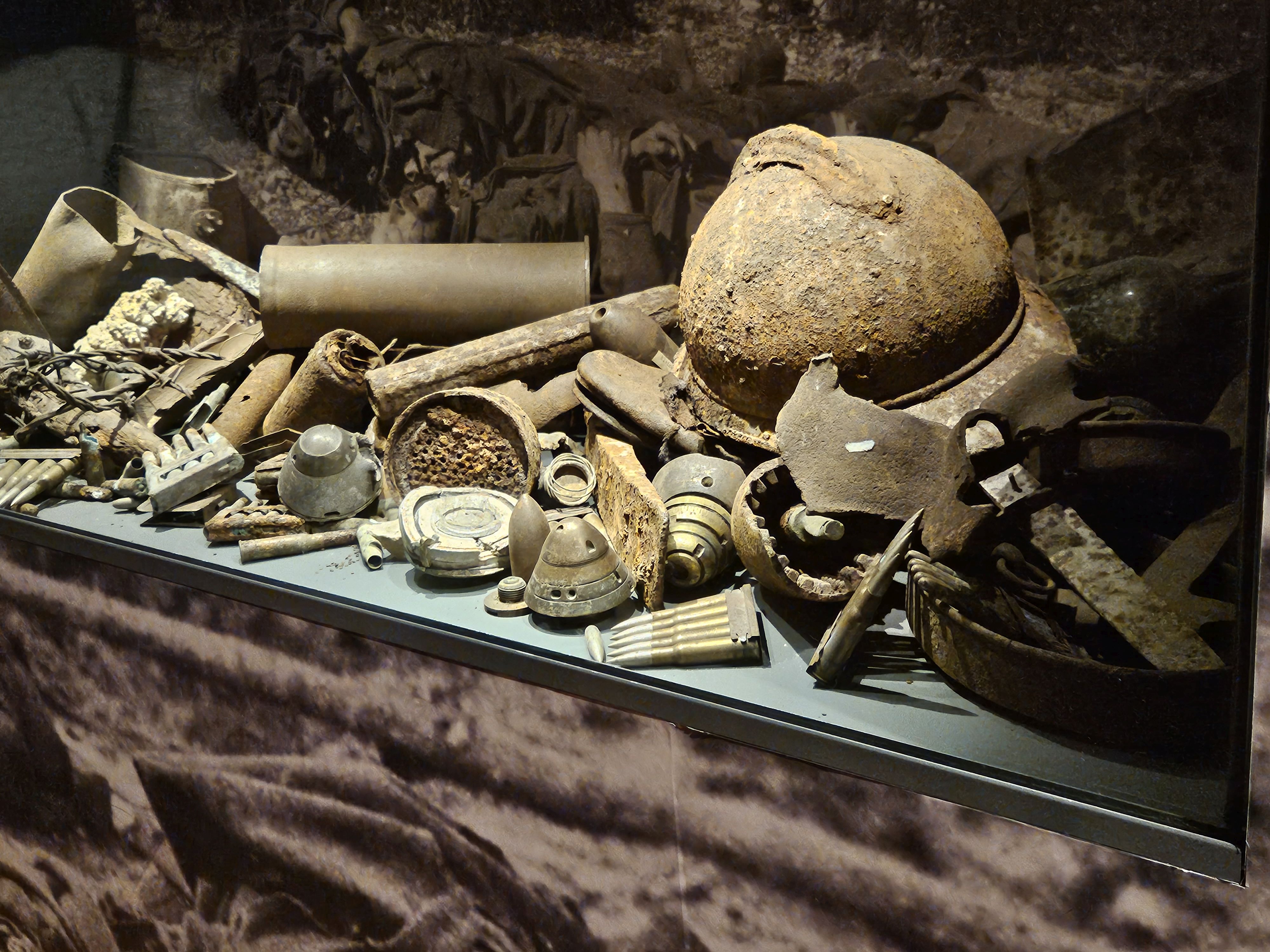
As will all military museums there was a good collection of war stuff, and many devices for killing people.
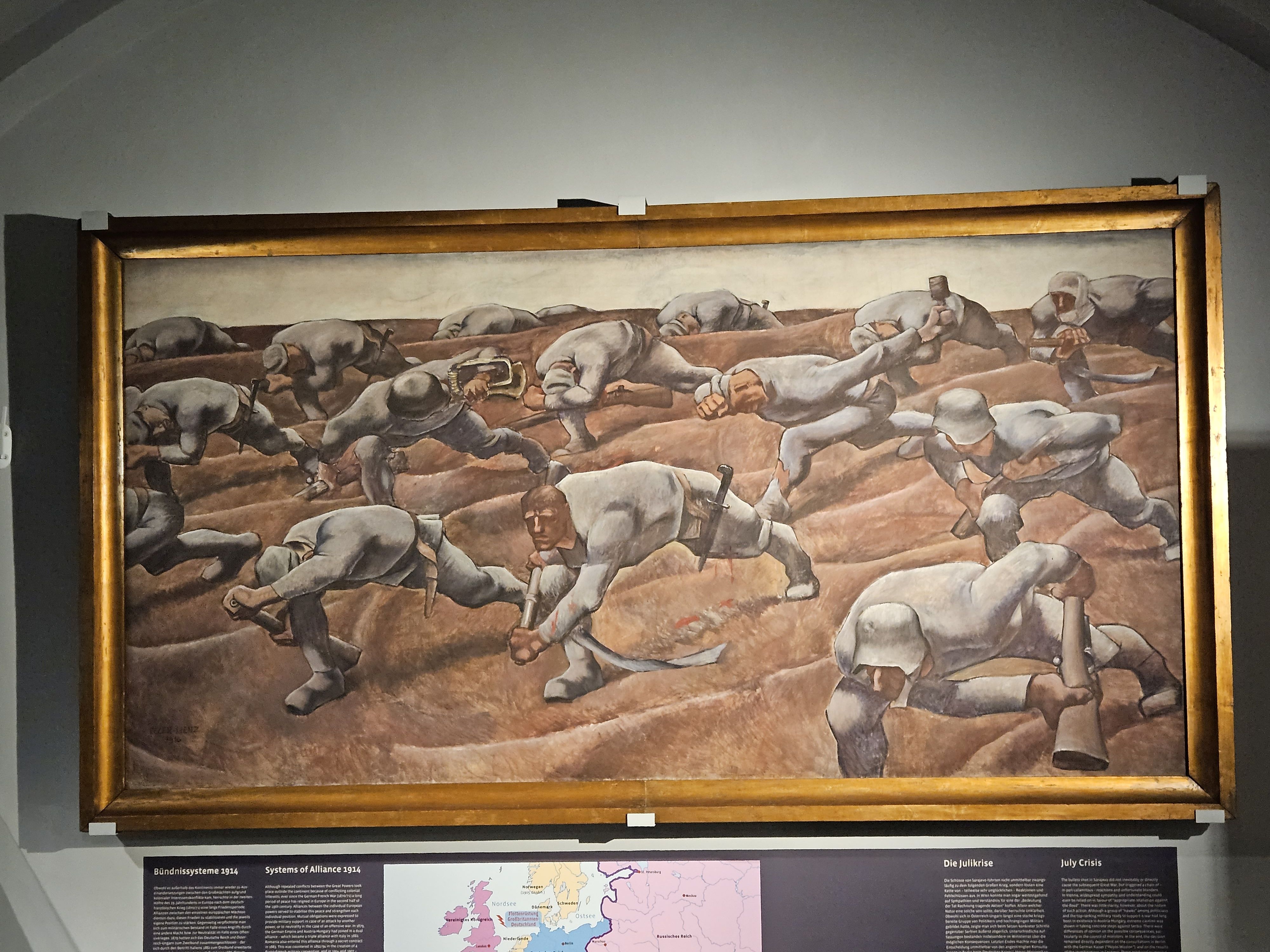
Although their technology and execution were not impressive, their war art was particularly haunting. This painting was done by a war artist who was also a soldier, depicting the loss of identity in a mass army.
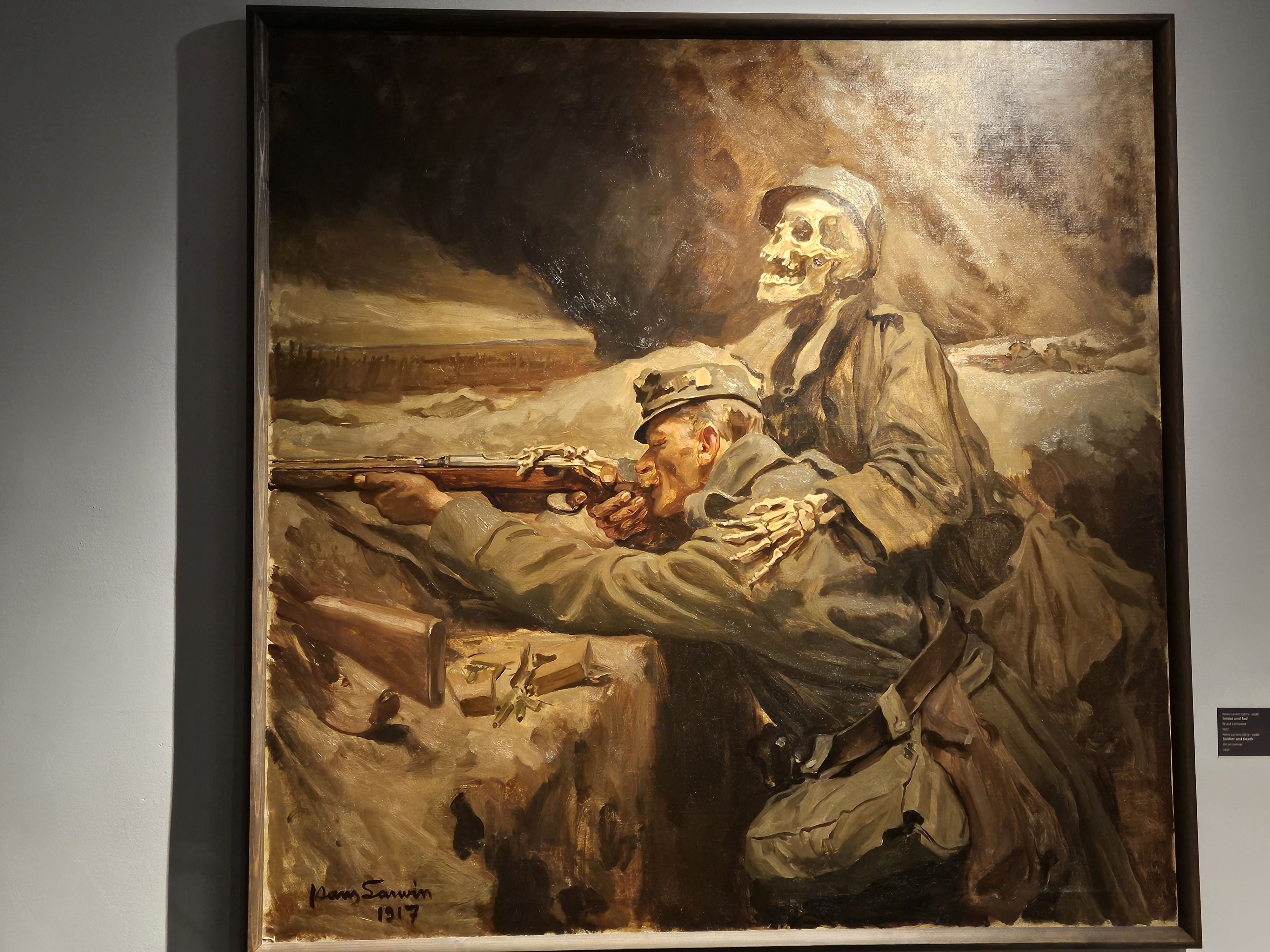
The next painting was entitled a Soldier and Death, no doubt in response to the heavy losses their army faced.
The museum was very interesting. We focused on the First World War, but as we learned more about the Habsburg Empire during our travels, I wish we had spent more time in the earlier eras of empire. This was my first visit to an opponent’s museum, and I found it to be similar to western museums.
We had some excellent meals during our travels, but on Museum day Rachel’s burger handily beat out my Schnitzel.